Multi-sensor fusion
Accepts and fuses data from multiple heterogeneous, off-the-shelf sensor types on a single device.
Modular multi-sensor edge platform
A Canadian deep-tech company building a modular, sensor-agnostic IoT platform and hardware line for safety-critical industrial and infrastructure environments.
SmartCone Technologies Inc. designs and builds a modular, sensor-agnostic IoT platform and a supporting hardware line for safety-critical industrial and infrastructure environments — Canadian, in-house, since 2015.
U.S. Patent 10,713,527 Optics-based multi-dimensional object detection and tracking. Granted 2020. Inventors: Jacques Guigné and Nicholas Pace.
PatrIoT is SmartCone's multi-sensor data fusion engine — one platform, many sensor configurations, many environments. It is the foundation every SmartCone device and deployment is built on.
Accepts and fuses data from multiple heterogeneous, off-the-shelf sensor types on a single device.
Operates at the network edge under constrained on-board compute — decisions are made locally, without cloud dependency.
Supports multi-tenant, containerized deployment for fleet-scale management.
Exposes a remote API layer for data retrieval and device control.
Schematics, PCB, enclosure and industrial design, and bill of materials — all designed and built in-house.
.jpg)
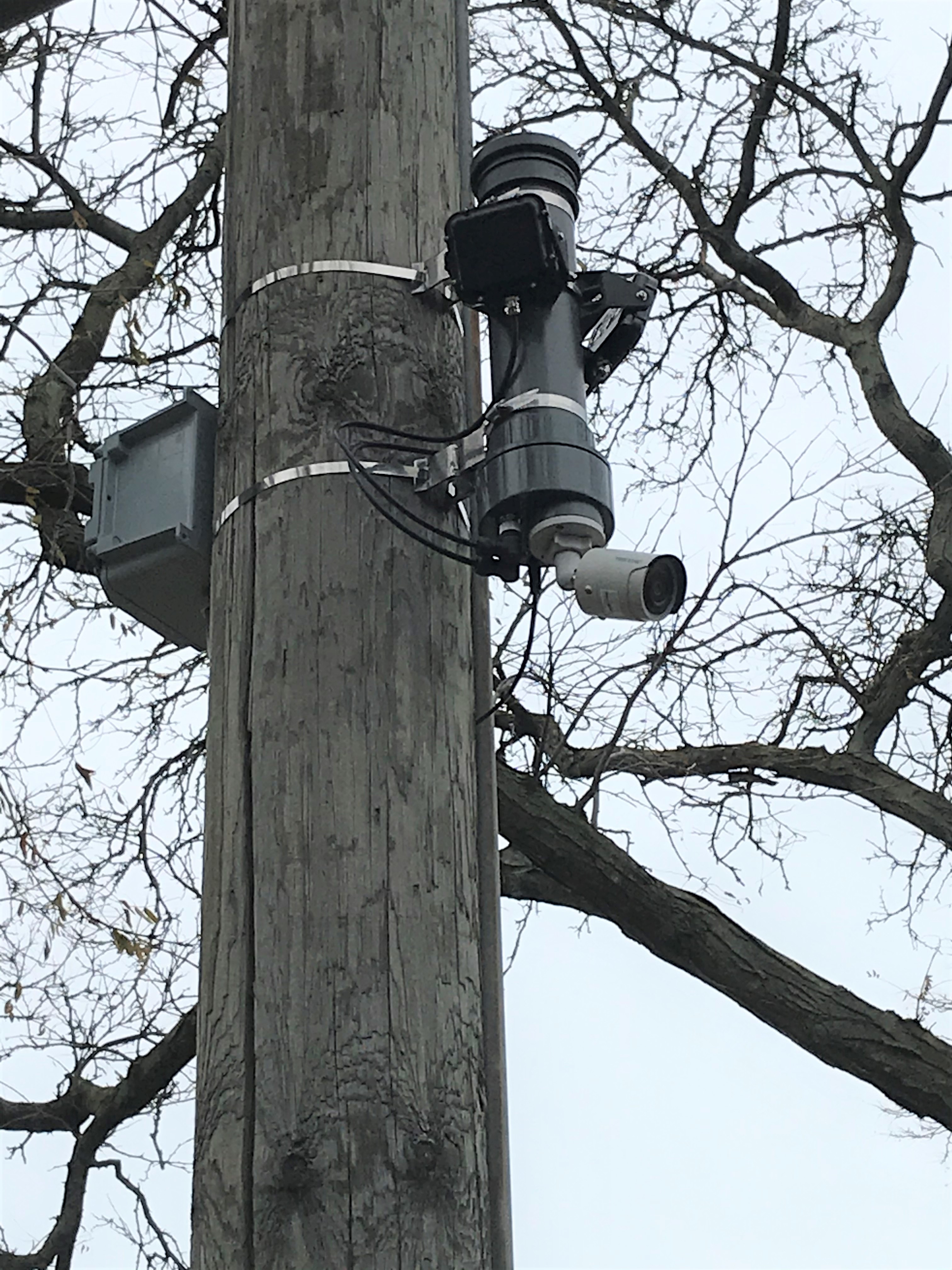
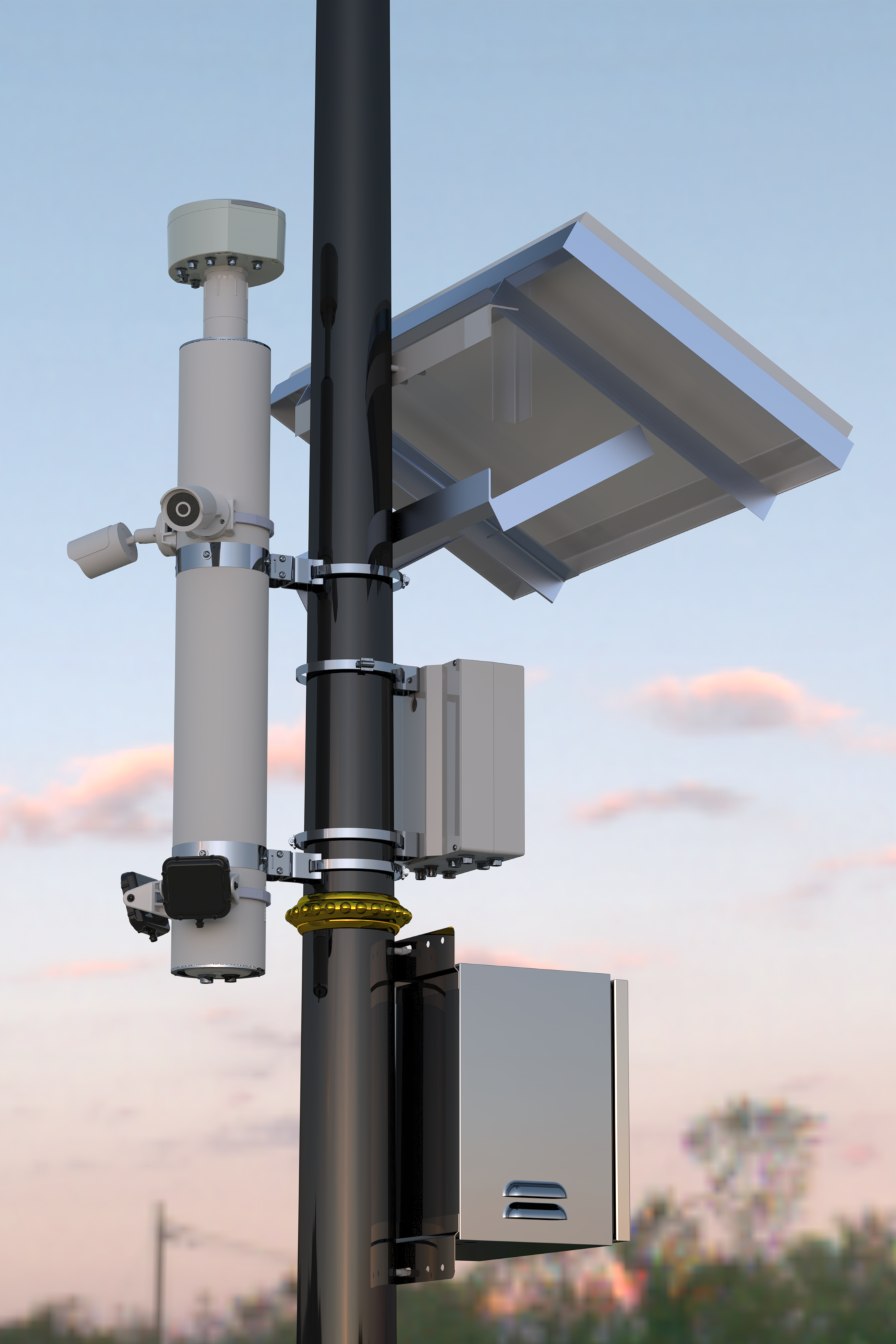
The core multi-sensor field unit.
.jpg)
[SmartTorch description — TO CONFIRM before publishing]
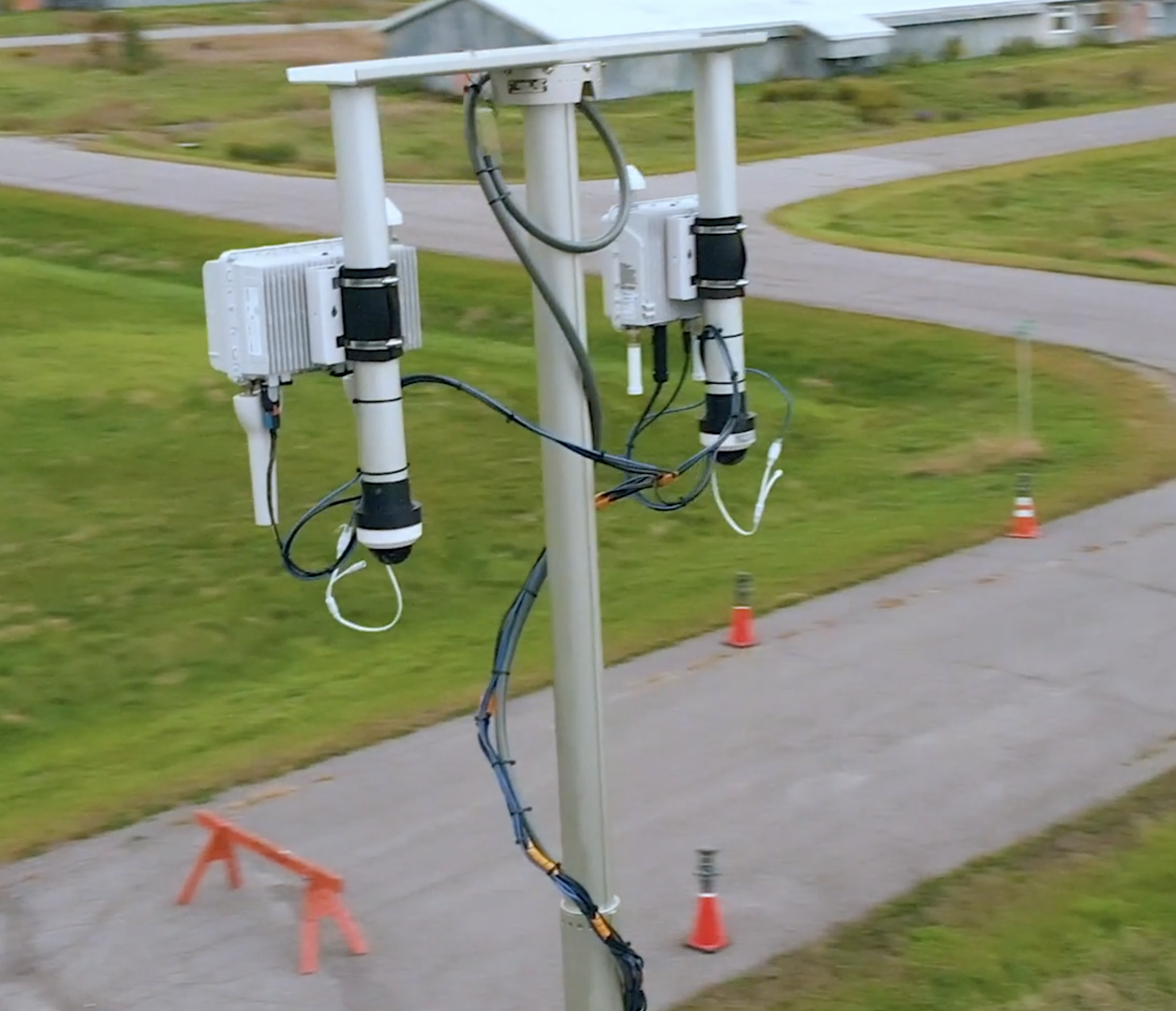
The edge compute unit running the fusion engine.
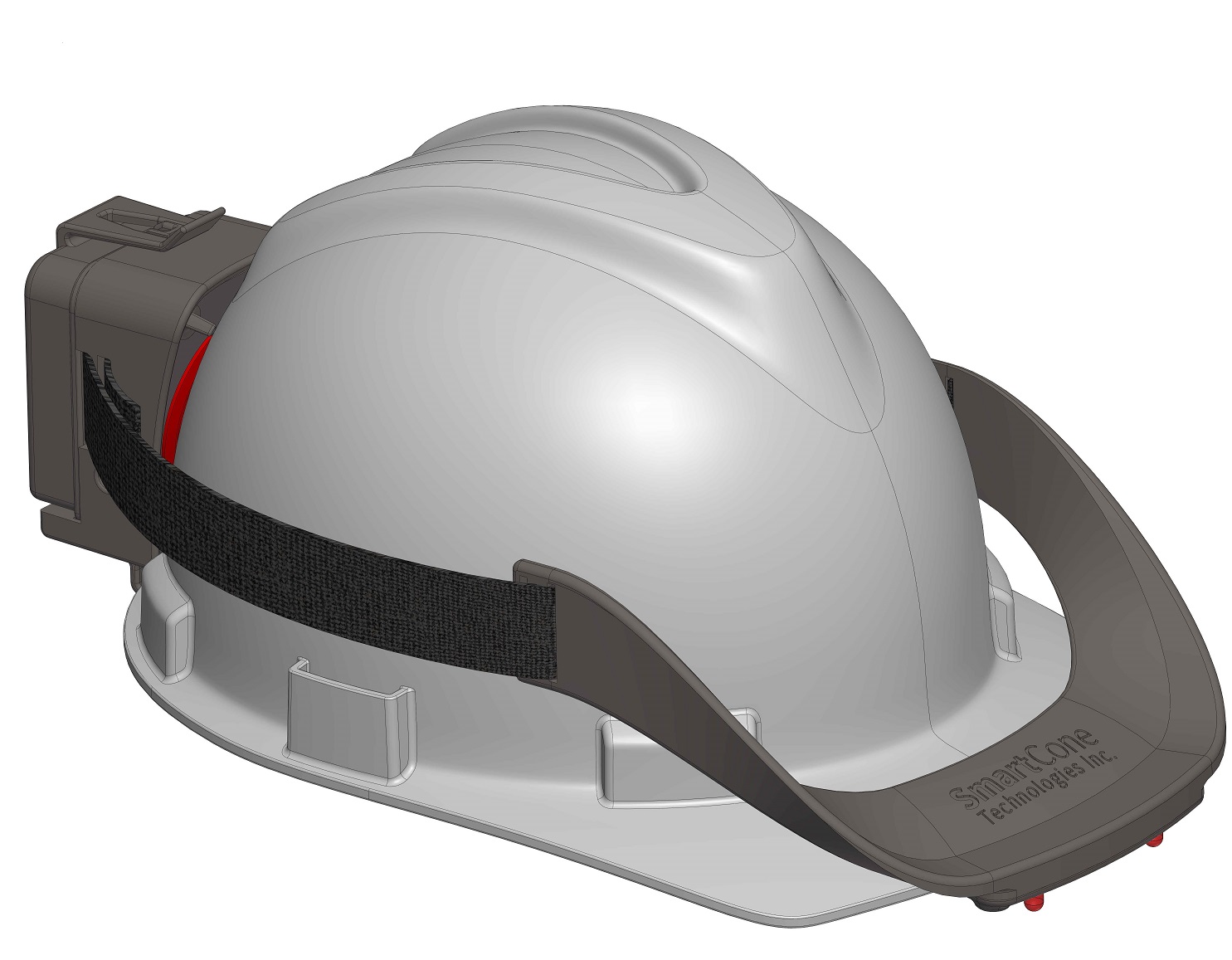
Worker-worn sensing and alerting device.
One platform, applied across environments — not separate products, but the same fusion engine configured for the job at hand.
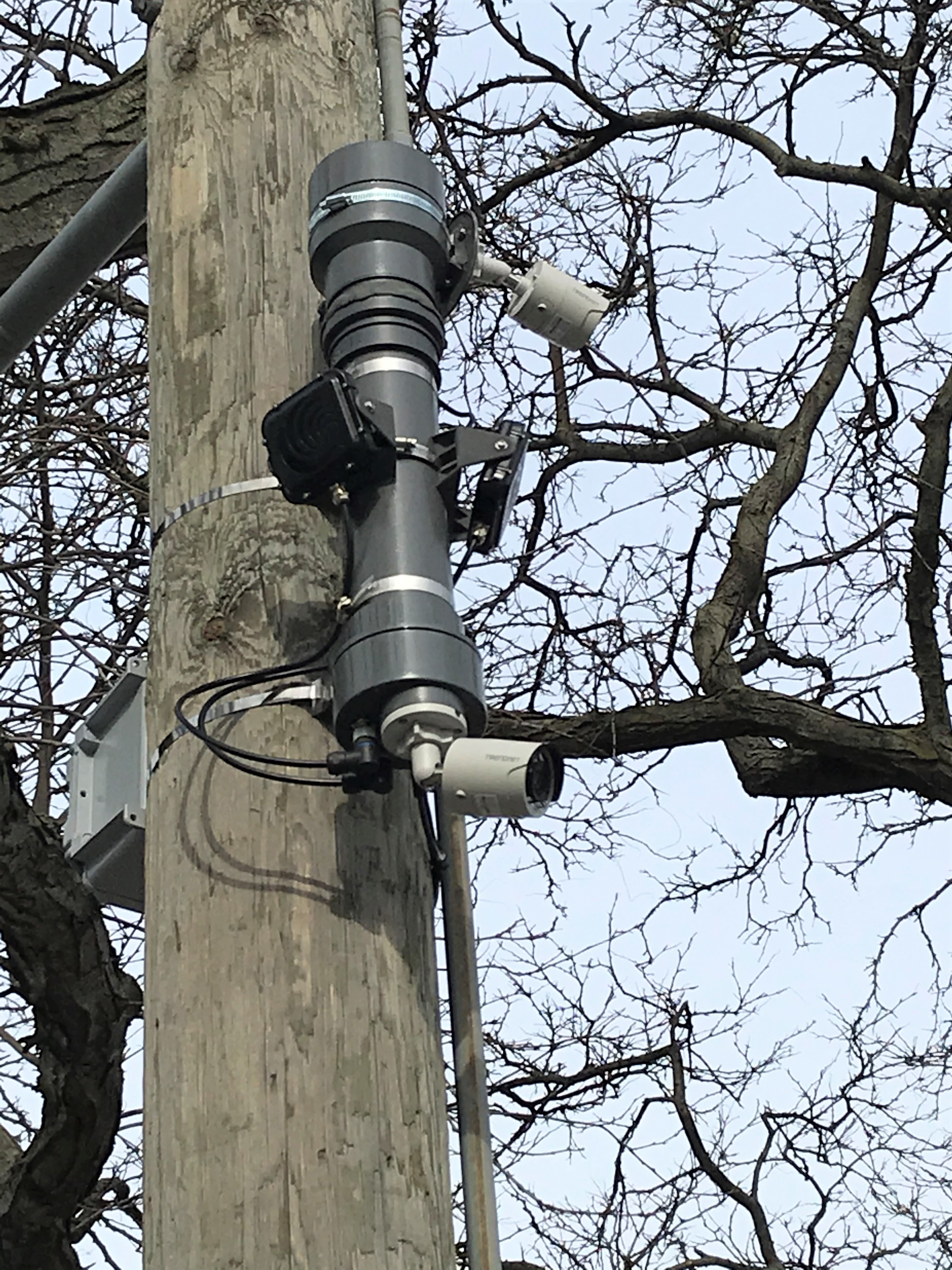
Proximity and intrusion detection.
Vehicle and equipment collision avoidance and positioning.
Computer-vision counting and classification.
Micro-climate sensing for worker safety.
Real-time monitoring with time-stamped, auditable data.
Named as customers where SmartCone technology has been deployed — presented as deployment history, not as current commercial partnerships or endorsements.
Signature Flight Support / RampTrack — with United Airlines
SmartCone co-developed two ramp-safety subsystems within the RampTrack program: RayCart, a single-anchor UWB positioning system, and Whiskers, an optical-convergence collision-avoidance cue. Both were field-tested at Denver International Airport.